

Introduction to Technical Analysis: What It Is and What It Isn't
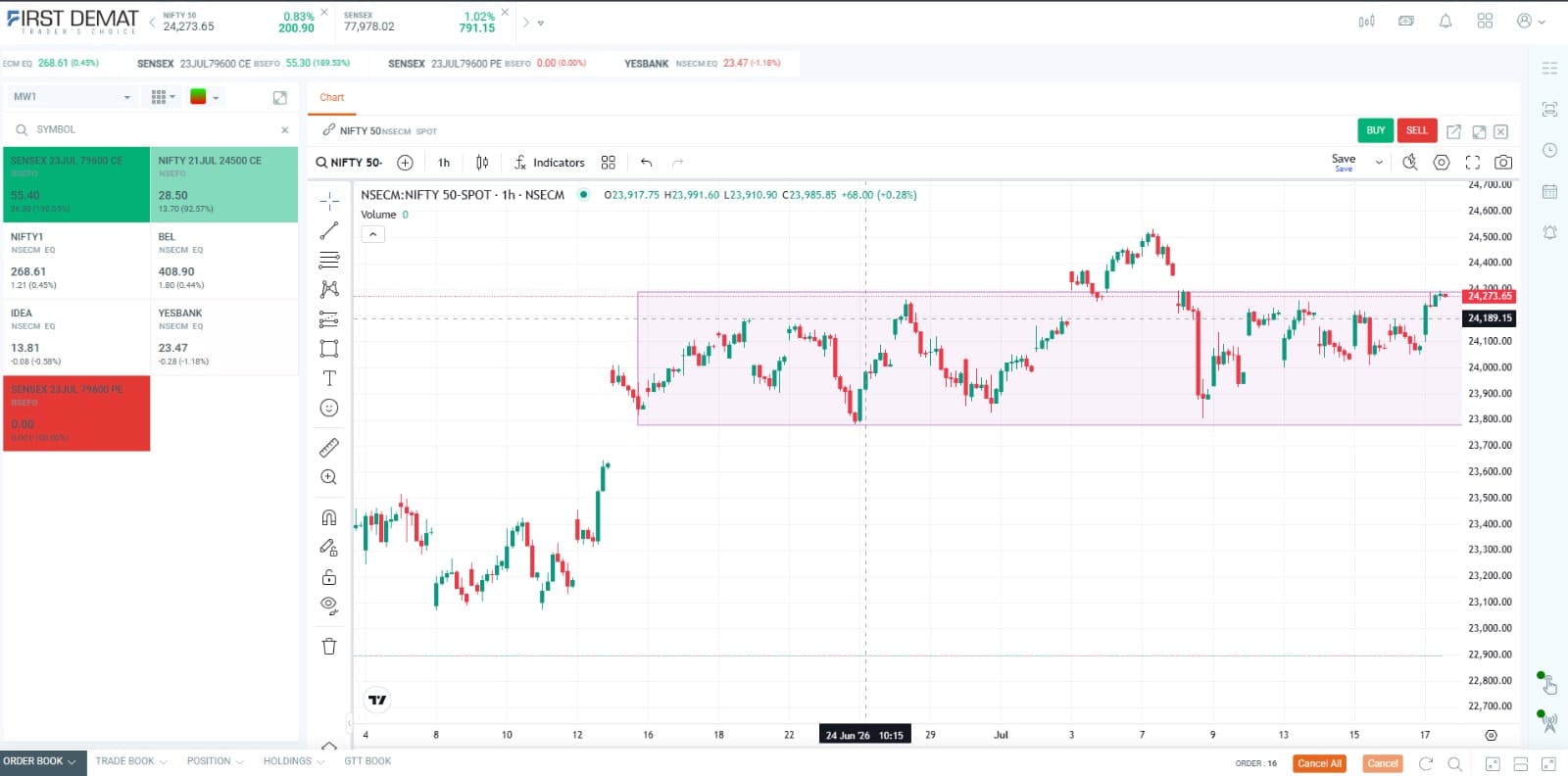
Technical analysis means looking at how a stock's price has moved over time and using that information to guess what might happen next. It doesn't try to explain why the price is moving. It just looks at the movement itself.
That's the main thing to understand. You're not studying the company. You're studying the price.
The three basic ideas behind it
The price already reflects the news. When something important happens to a company, good or bad, the price usually changes quickly to match it. So instead of trying to predict the news, you look at what the price is already showing you.
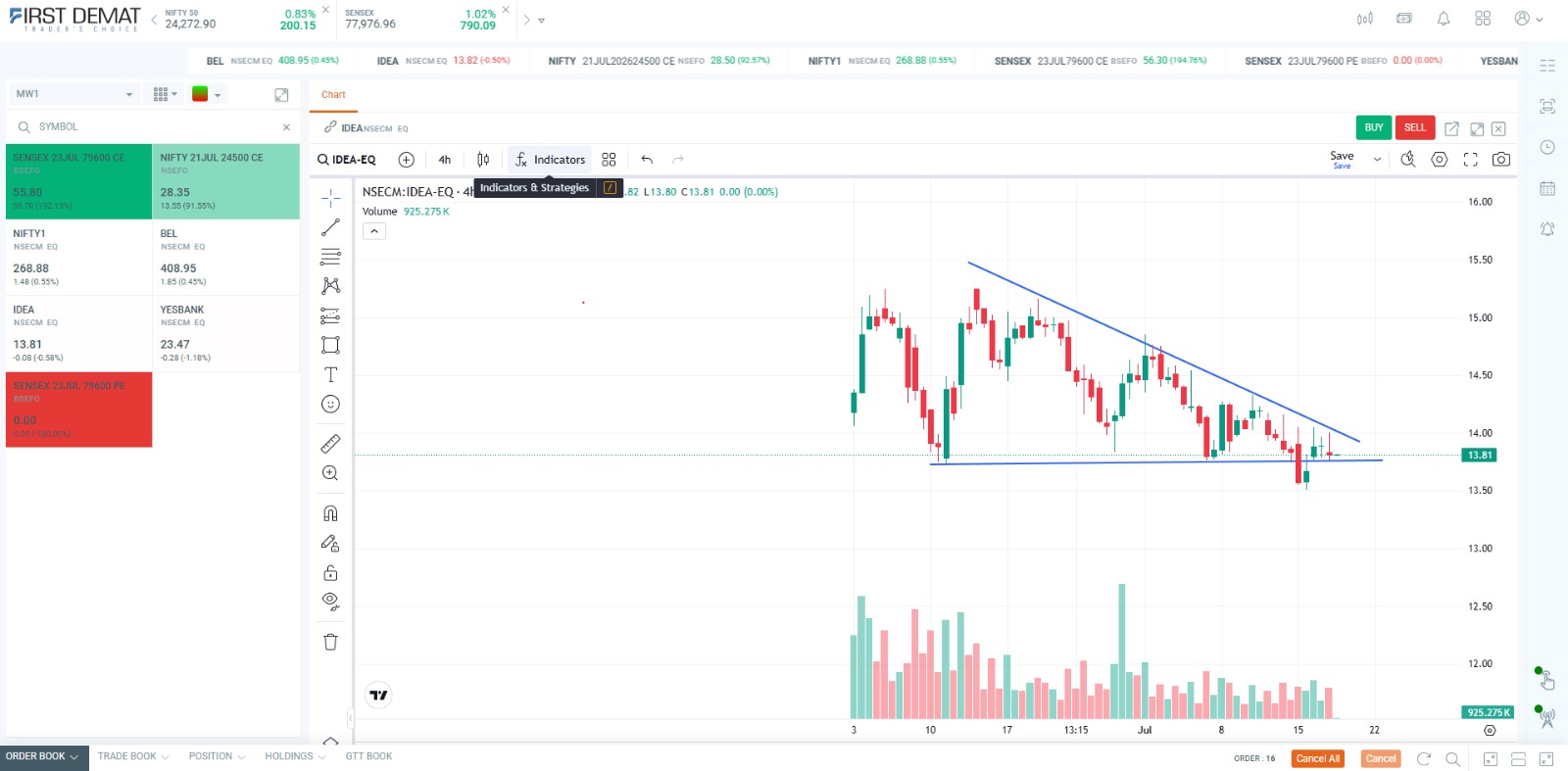
Prices move in trends. A stock price usually doesn't change direction randomly. It tends to keep moving one way for a while before it turns around.
People tend to act the same way over time. When prices go up, people get excited and buy more. When prices fall, people get scared and sell quickly. This happens again and again, so similar patterns keep appearing on price charts.
Where this idea came from
A man named Charles Dow started this way of thinking. He co-founded Dow Jones, and he wrote about the stock market in newspaper articles around the year 1900. He never called his ideas a "theory" himself, other people organized his writings into one after he died.
Two different ways to study a stock
There are two common approaches investors use.
Fundamental analysis looks at the actual company, how much money it earns, how it's run, and whether it's a strong business.
Technical analysis looks only at the price chart, how the price has moved and what patterns it's forming.
Neither approach is automatically better. Many investors use both together. Relying on just one seems limiting to me, you're leaving out useful information either way.
What technical analysis is not
It does not predict the future with certainty. It only helps make a more informed guess. It is not a way to skip learning altogether, reading price charts still takes practice. And it does not guarantee success. Patterns can fail, and prices can move in unexpected ways even when everything looked clear beforehand.
Why it's worth learning
A stock's price shows what people in the market currently believe about it, all combined into one number. Learning to read that price is a useful skill for understanding markets, even before you make any decisions about buying or selling.
You don't need to learn everything at once. Start by paying attention to what the price is actually doing, not what you expect it to do. That's the core of the whole skill.